Science Week Events at DBF26
Published 24/09/2026
We are delighted to be part of Science Week again this year, supported by Research Ireland. Taking place each year in November, this week is a national celebration of science in our everyday lives, with events taking place all around the country. This year’s theme is Water: From Molecule to Ocean, exploring water at every scale; from its role in everyday life and the natural world, to its importance in biodiversity, climate resilience, conservation, health, food, energy and innovation.
Join us on Sunday 8 November, mainly at our Festival Hub in the Royal Irish Academy of Music, where we’ll have a series of thought-provoking and engaging events, for adults and children, as part of Science Week 2026. From panel discussions around the immeasurable importance of our seas and oceans, to exploring vital books addressing climate change, a family event around sharks, a drop-in station to learn about creating your own mini pond, and even a boat trip learning about the sea… while at sea! Our day is jam-packed with events drawing together science, literature, and that all-important water.
Almost all events take place at the heart of the festival in this year’s Festival Hub at RIAM.
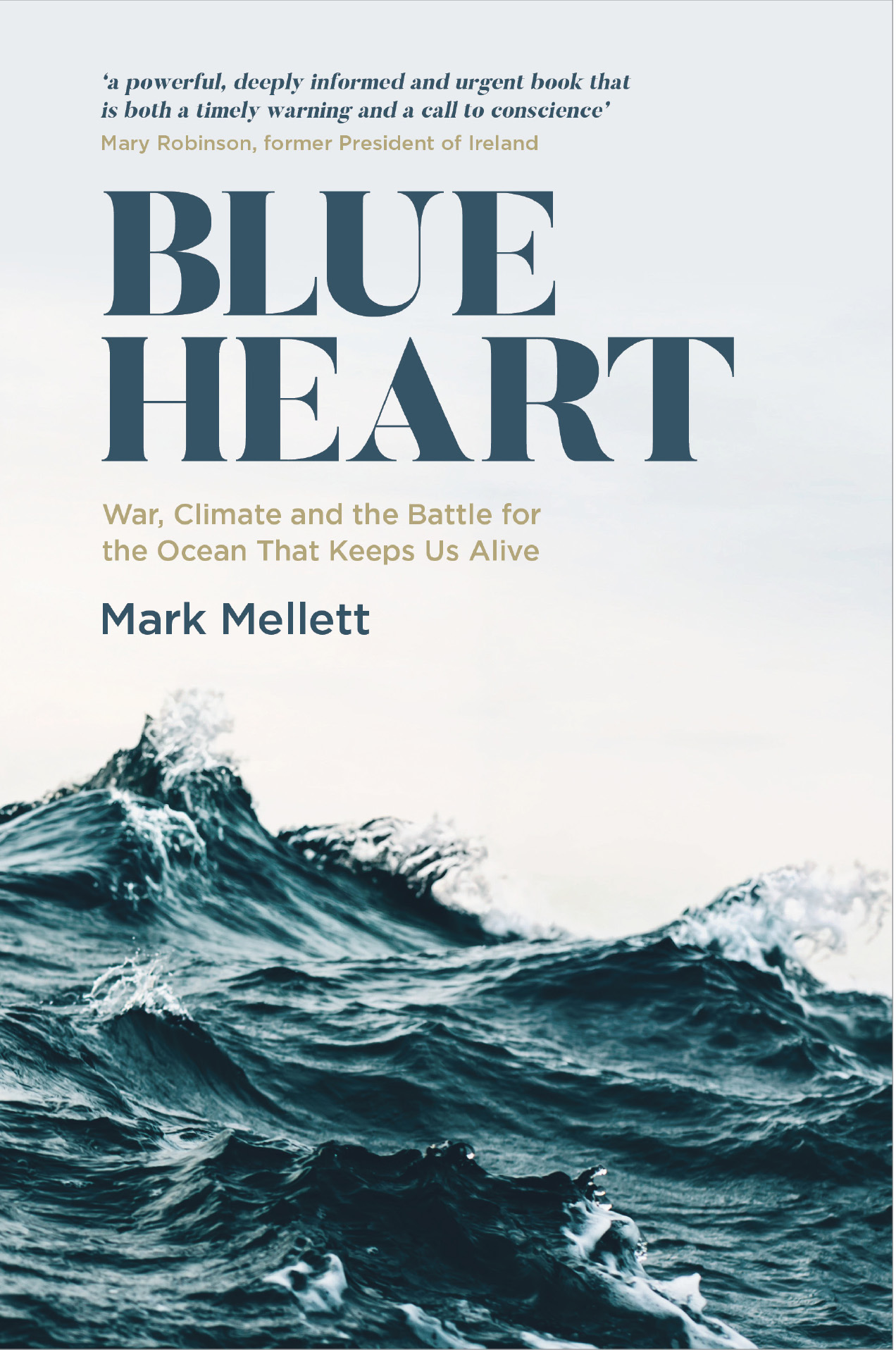 As the climate crisis remains one of our most pressing issues, authors Michael Cronin and Mark Mellett join journalist, author and marine expert, Lorna Siggins, in conversation about their latest books, and how protecting our seas and oceans is key in this ongoing battle (11am – 12pm)
Award-winning author and rewilder Eoghan Daltun will be joining Mary Robinson, a globally recognised voice on the climate crisis, to discuss his latest book, Setting the Land Free: Visions of a Rewilded Ireland. This richly researched book includes in-depth discussion on a broad range of topics, including bog ecosystem restoration and rewilding at sea (12:30pm – 1.30pm)
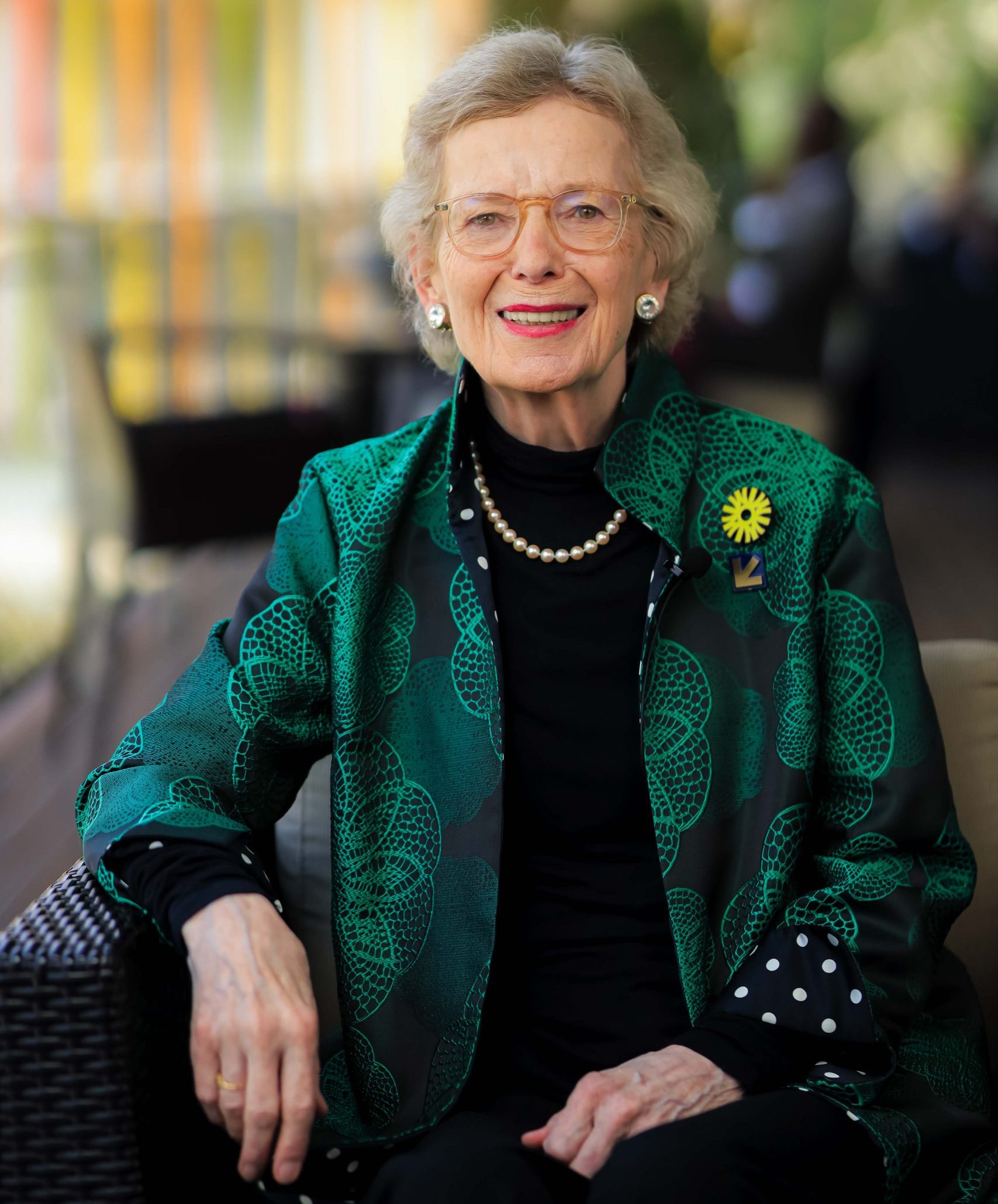 This year’s Culture File debate, presented by RTÉ lyric fm’s Culture File, asks three leading climate activists – Mary Robinson, Sadhbh O’Neill and John Gibbons – to discuss the book on climate change they believe is most effective in informing the public about the climate crisis, and in proposing practicable solutions that offer hope. They join writer Paddy Woodworth in conversation (2pm – 3pm)
Drawing together science, sport, fiction and non-fiction, What the Sea is Telling Us will explore what the ocean can teach us about our changing climate — and why we should listen. Join surfer, scientist and author Easkey Britton, novelist Roisin Maguire and writer and broadcaster Eoin Warner, with award-winning journalist Sylvia Thompson, for a conversation about the wonder, fragility and extraordinary power of our seas (3:30pm – 4:30pm)
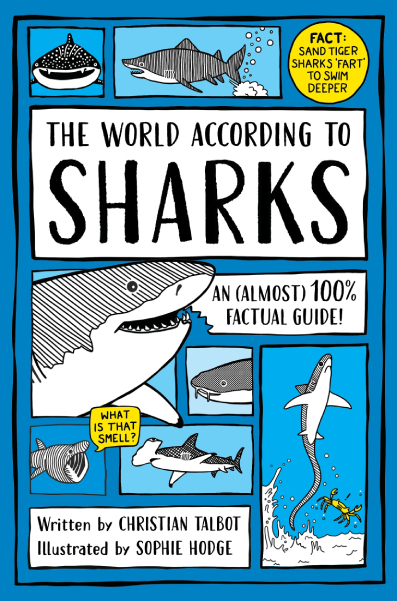 Families will be able to join a lively event with author Christian Talbot, that promises to be equal parts big humour and great facts, about the weird and wonderful world of sharks! They might be big (sometimes) and they might be a little bit scary (sometimes) but there is a whole lot more to discover about these fascinating and ancient creatures (12pm – 12:45pm. 7+ yrs)
On both the Saturday and the Sunday, stop by our drop-in ‘Create Your Own Pond’ station where our resident biodiversity expert Collie will be sharing information on how you can create your own mini pond, creating a welcoming home for wildlife in your own garden! (12pm – 3pm)
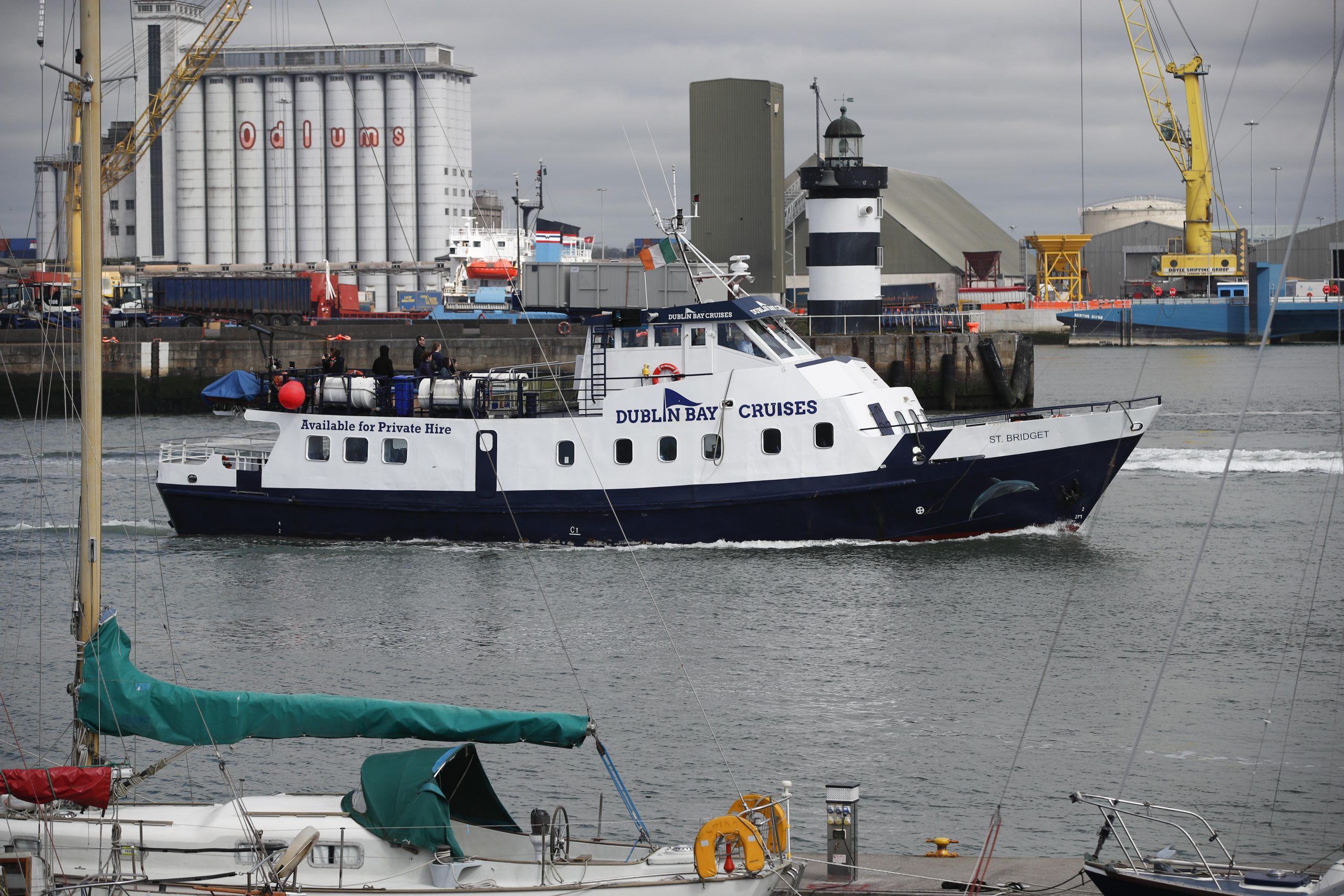 If you feel like leaving dry land and heading out into Dublin Bay, why not book to join us for a fascinating boat trip with marine ecologist Karin Dubsky. With the help of a selection of nature books and field guides, Karin will be inviting us to discover the ecosystems and wildlife both above and beneath the waves around us (12pm – 2pm, departing from North Wall, Dublin 1).
Top Tip: Head to our programme page and select the Science Week filter to see all these events.
Find out more about Science Week 2026 and stay updated on events taking place around the country from 8 – 15 November, with the full programme of nationwide events coming soon – https://www.scienceweek.ie/
Science Week is supported by Taighde Éireann – Research Ireland.